


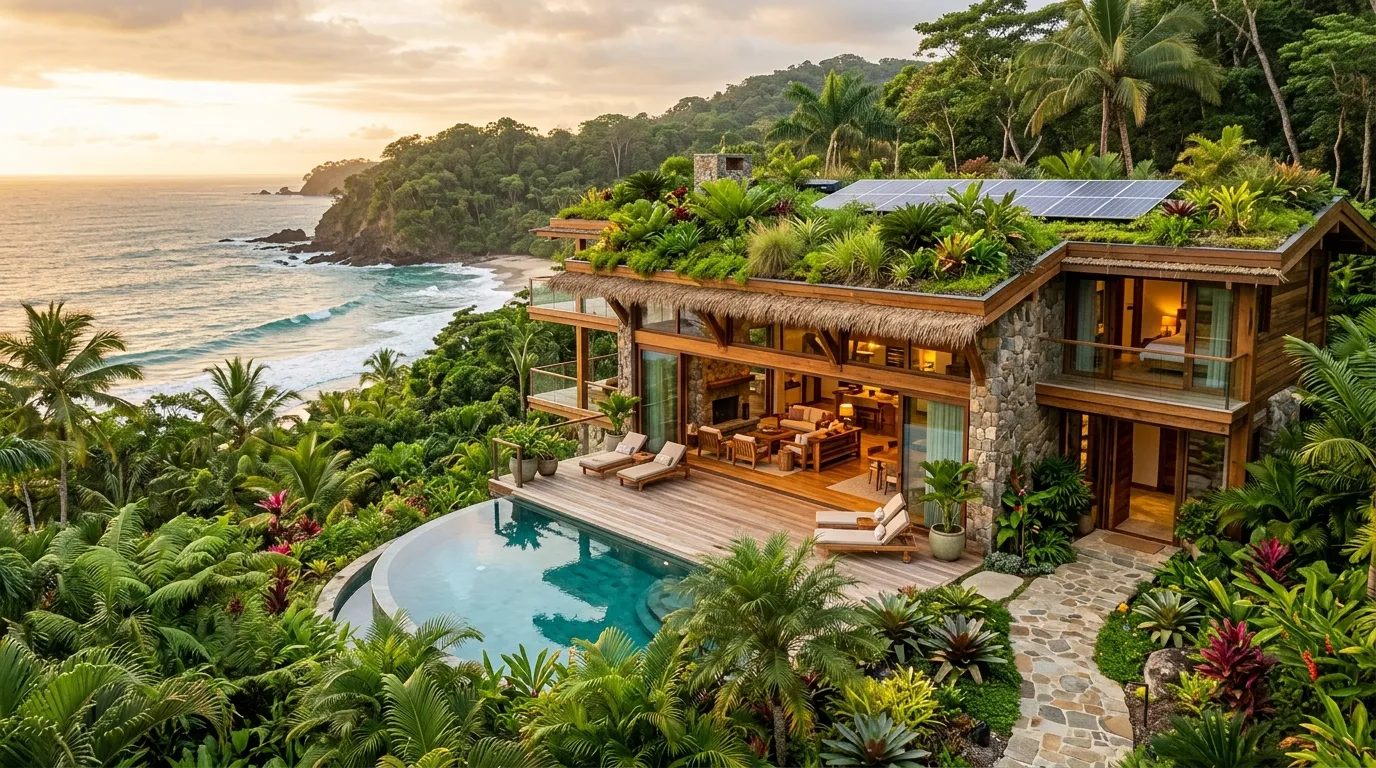
Embracing sustainable living no longer means sacrificing premium comfort. Today, Eco-Friendly Luxury Villas blend spectacular architectural design with advanced environmental conservation. You can enjoy unparalleled opulence while actively protecting our planet, proving that high-end real estate and ecological responsibility perfectly coexist.
This comprehensive guide explores the transformative world of green real estate. We uncover the innovative materials, renewable energy systems, and smart technologies that define modern sustainable estates. You will learn how to maximize your investment return, avoid common purchasing pitfalls, and design a pristine habitat that dramatically reduces your carbon footprint without compromising on absolute luxury.
The Rise of Eco-Friendly Luxury Villas in Modern Real Estate
The global real estate landscape is undergoing a massive transformation. For decades, high-end residential properties were synonymous with excessive resource consumption. Massive footprints, energy-draining climate control systems, and water-intensive landscapes dominated the market. However, a profound shift in consumer consciousness has disrupted this traditional model. Today, Eco-Friendly Luxury Villas represent the pinnacle of architectural achievement and buyer desirability. Environmental stewardship now dictates the blueprint of prestige properties. Affluent buyers actively seek homes that align with their ethical values, demanding that their residences operate in harmony with nature rather than depleting it.
Eco-Friendly Luxury Villas integrate cutting-edge sustainability protocols from the foundation to the roof. This evolution is driven by both environmental urgency and rapid advancements in green building technology. Architects and developers face the thrilling challenge of creating magnificent spaces that generate their own power, recycle their own water, and regulate their own temperatures. Consequently, Eco-Friendly Luxury Villas have transitioned from a niche market segment to a dominant force in international real estate. Properties boasting verifiable green credentials consistently outperform conventional homes in both market value and buyer interest, signaling a permanent change in how we define true luxury.
Furthermore, governmental policies and international climate agreements accelerate the demand for Eco-Friendly Luxury Villas. Strict building codes in progressive regions require new constructions to meet high energy efficiency standards. Developers who champion Eco-Friendly Luxury Villas often benefit from expedited permitting processes and financial incentives, fostering a booming market. As a result, we see entire communities of Eco-Friendly Luxury Villas emerging in premier locations, from tropical coastlines to alpine retreats. These developments prove that ecological mindfulness enhances, rather than restricts, the human experience of space, light, and comfort.
The aesthetic of Eco-Friendly Luxury Villas also redefines opulence. The design language favors organic integration with the surrounding landscape. Floor-to-ceiling glass walls blur the line between indoor and outdoor living, allowing natural light to flood the interiors and reducing the need for artificial illumination. Living roofs, living walls, and natural textures replace sterile, artificial surfaces. When you step into modern Eco-Friendly Luxury Villas, you experience a profound sense of tranquility. The architecture honors the environment, creating a sanctuary that feels intimately connected to the earth while providing every conceivable modern amenity.
Architectural Innovations and Sustainable Building Materials
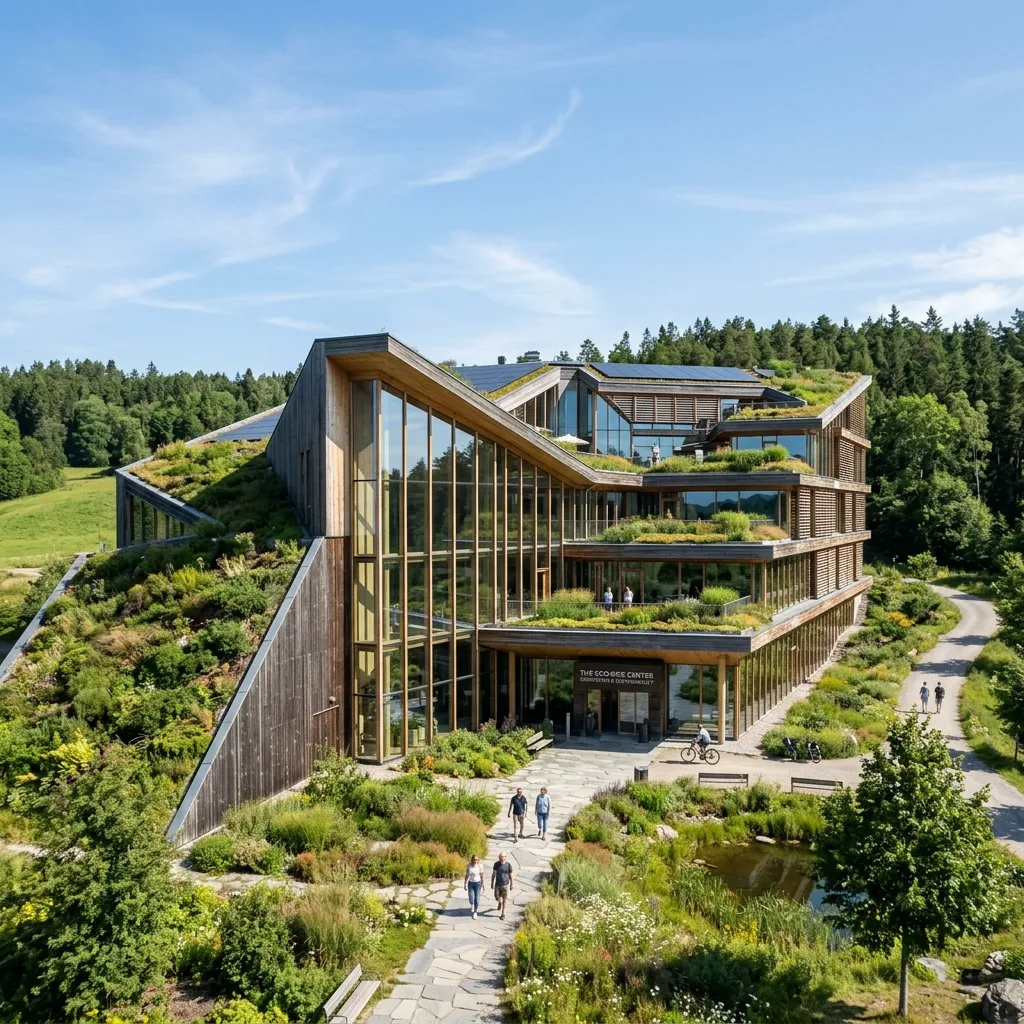
The foundation of all Eco-Friendly Luxury Villas relies on the careful selection of sustainable building materials. Traditional construction relies heavily on concrete and steel, both of which possess massive carbon footprints due to energy-intensive manufacturing processes. In stark contrast, the architects designing Eco-Friendly Luxury Villas prioritize materials that are renewable, recycled, or locally sourced. This conscious selection drastically reduces the embodied energy of the home. Sustainable real estate investing heavily scrutinizes the supply chain of these materials, ensuring that ecological integrity is maintained from extraction to installation.
Rammed earth and cross-laminated timber (CLT) currently dominate the construction of Eco-Friendly Luxury Villas. Rammed earth offers exceptional thermal mass, absorbing heat during the day and releasing it slowly at night. This natural temperature regulation significantly reduces reliance on artificial heating and cooling systems. Cross-laminated timber provides the structural strength of concrete while acting as a carbon sink, sequestering carbon dioxide within the walls of the home. Furthermore, Eco-Friendly Luxury Villas frequently utilize reclaimed wood for flooring, exposed beams, and exterior cladding. This reclaimed timber adds unparalleled character and historical depth to the property while preventing deforestation.
Insulation plays a critical role in the efficiency of Eco-Friendly Luxury Villas. Conventional fiberglass insulation is often replaced with eco-friendly alternatives such as sheep’s wool, cellulose, or hempcrete. Hempcrete, a mixture of hemp hurds and lime, offers extraordinary insulation properties, is highly breathable, and resists mold and pests. By creating a tightly sealed, heavily insulated building envelope, Eco-Friendly Luxury Villas maintain remarkably stable indoor climates. This meticulous attention to the building’s outer shell minimizes energy leakage, ensuring that the home operates at peak thermal efficiency year-round.
We must also highlight the use of advanced glazing technologies in Eco-Friendly Luxury Villas. Massive windows are a staple of luxury design, but they traditionally cause severe heat loss or gain. Eco-Friendly Luxury Villas utilize triple-glazed, low-emissivity (Low-E) glass filled with argon or krypton gas. These spectacular windows block harmful UV rays and prevent thermal transfer while allowing panoramic views of the natural surroundings. Through these architectural innovations, Eco-Friendly Luxury Villas achieve a perfect synthesis of breathtaking beauty and uncompromising environmental performance.
Renewable Energy Systems and Zero-Carbon Footprints
Achieving a zero-carbon footprint remains the ultimate goal for Eco-Friendly Luxury Villas. To reach this milestone, these estates must generate as much energy as they consume. Solar power stands as the primary energy source for most Eco-Friendly Luxury Villas. However, we have moved far beyond the bulky, unsightly solar arrays of the past. Modern Eco-Friendly Luxury Villas incorporate solar energy seamlessly into the architecture. Solar shingles, building-integrated photovoltaics (BIPV), and solar glass generate massive amounts of electricity without compromising the home’s visual elegance. Optimizing solar panel efficiency ensures that even properties in varied climates can harness abundant solar power.
Beyond solar, geothermal heating and cooling systems provide a highly efficient energy solution for Eco-Friendly Luxury Villas. Geothermal systems capitalize on the stable temperatures found just a few feet below the earth’s surface. By circulating fluid through underground pipes, these systems extract heat during the winter and dissipate heat during the summer. This incredibly quiet, highly efficient technology consumes a fraction of the electricity required by traditional HVAC systems. For Eco-Friendly Luxury Villas located in appropriate geographical areas, wind turbines and micro-hydroelectric generators offer supplementary, clean energy generation.
Energy storage is equally critical to the success of Eco-Friendly Luxury Villas. Generating renewable energy is only effective if the home can store it for use during the night or during cloudy days. High-capacity, beautifully designed battery banks are now standard features in Eco-Friendly Luxury Villas. These intelligent storage systems monitor the home’s energy consumption, drawing from the grid only when absolutely necessary and even selling excess power back to the local utility company. This level of energy independence provides homeowners with absolute security and immunity from fluctuating energy prices.
The transition to renewable energy in Eco-Friendly Luxury Villas goes hand-in-hand with highly efficient appliances and lighting. LED lighting systems, induction cooktops, and energy-star-rated appliances ensure that the power generated by the home is utilized flawlessly. By combining aggressive energy generation with conservative energy consumption, Eco-Friendly Luxury Villas achieve net-zero or even net-positive energy statuses. This extraordinary engineering feat transforms the luxury home from an energy liability into an active contributor to a greener, cleaner electrical grid.
Water Conservation and Sustainable Landscaping
Water scarcity is a pressing global issue, and Eco-Friendly Luxury Villas address this challenge through comprehensive water management systems. A hallmark of Eco-Friendly Luxury Villas is their ability to minimize reliance on municipal water supplies. Advanced plumbing infrastructure captures, purifies, and reuses water with astonishing efficiency. Rainwater harvesting systems are ingeniously integrated into the rooflines of Eco-Friendly Luxury Villas. These systems channel rainwater into large, concealed underground cisterns, where it is filtered and used for irrigation, toilet flushing, and laundry, dramatically reducing the consumption of potable water.
Greywater recycling represents another vital component of water conservation in Eco-Friendly Luxury Villas. Greywater—the gently used water from bathroom sinks, showers, and washing machines—is collected and treated on-site. Instead of sending this water to municipal sewers, Eco-Friendly Luxury Villas redirect it to sustain the property’s landscaping. This internal recycling loop ensures that every drop of water is utilized to its maximum potential. Furthermore, low-flow fixtures, aerated faucets, and dual-flush toilets are installed throughout Eco-Friendly Luxury Villas, providing a high-pressure, luxurious experience while utilizing significantly less water than standard fixtures.
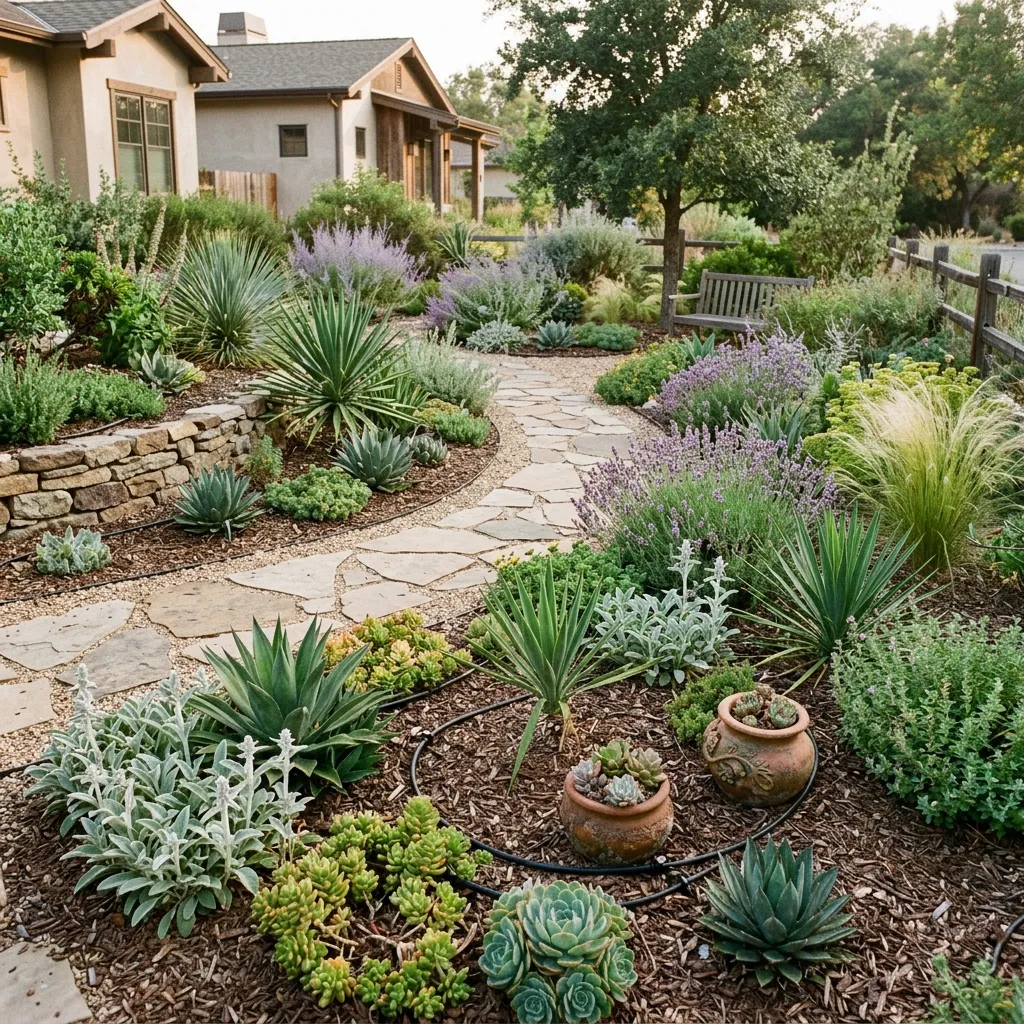
The exterior grounds of Eco-Friendly Luxury Villas require just as much ecological consideration as the interiors. Traditional, water-guzzling lawns are replaced with sustainable landscaping practices. Xeriscaping, the practice of designing landscapes that require little to no irrigation, is heavily utilized in Eco-Friendly Luxury Villas. Landscape architects select native, drought-resistant flora that thrives in the local climate naturally. These native plants require zero chemical fertilizers or pesticides, protecting local groundwater from toxic runoff and supporting indigenous pollinator populations like bees and butterflies.
Living roofs also play a dual role in water management and insulation for Eco-Friendly Luxury Villas. A green roof absorbs rainwater, reducing storm runoff that can overwhelm local drainage systems. Simultaneously, the soil and plant life provide an exceptional layer of thermal insulation, further reducing the energy required to heat and cool the home below. Through these holistic water conservation strategies, Eco-Friendly Luxury Villas protect vital aquatic ecosystems while maintaining lush, vibrant, and breathtaking exterior environments.
Smart Home Technology Integration in Green Estates
The brain of Eco-Friendly Luxury Villas lies in their advanced smart home automation systems. True sustainability requires constant monitoring and optimization, and modern technology makes this effortless. The integration of the Internet of Things (IoT) transforms Eco-Friendly Luxury Villas into highly responsive environments. Smart home automation platforms link every system in the house—from climate control to lighting to irrigation—into a single, intuitive interface. Homeowners can monitor their real-time energy production and consumption through elegant touchscreens or mobile applications, providing total control over the home’s ecological footprint.
Smart climate control drastically enhances the efficiency of Eco-Friendly Luxury Villas. Intelligent thermostats learn the occupants’ schedules, adjusting temperatures autonomously based on room occupancy and the time of day. Motorized window shades respond to the position of the sun, automatically lowering during peak afternoon heat to minimize cooling loads, and opening during the winter to harness passive solar heating. This dynamic response ensures that Eco-Friendly Luxury Villas never waste energy heating or cooling empty spaces, maximizing comfort while minimizing environmental impact.
- Smart lighting systems utilize motion sensors and ambient light detectors to adjust brightness based on natural light availability.
- Automated irrigation systems monitor soil moisture levels and local weather forecasts, watering the landscape only when absolutely necessary.
- Intelligent energy monitors automatically shift energy-intensive tasks, like pool heating or electric vehicle charging, to off-peak hours when renewable energy is abundant.
These technologies ensure that Eco-Friendly Luxury Villas operate at peak efficiency without requiring constant manual intervention from the homeowner. The house actively works to reduce its carbon footprint in the background. Furthermore, these smart systems alert homeowners to potential maintenance issues, such as a hidden water leak or a drop in solar panel performance, preventing resource waste before it escalates. The fusion of high-tech automation with green design principles solidifies Eco-Friendly Luxury Villas as the undisputed future of luxury living.
The Financial Benefits: ROI and Long-Term Value
Investing in Eco-Friendly Luxury Villas yields substantial financial rewards that extend far beyond the intrinsic satisfaction of environmental stewardship. Initially, the construction or purchase of Eco-Friendly Luxury Villas may command a premium compared to traditional properties. However, the long-term return on investment (ROI) is exceptionally strong. The most immediate financial benefit of Eco-Friendly Luxury Villas is the drastic reduction in operational costs. By generating their own electricity and recycling water, these estates eliminate or severely diminish monthly utility bills. Over the lifespan of the property, these savings amount to hundreds of thousands of dollars.
Moreover, Eco-Friendly Luxury Villas command significantly higher resale values in the luxury real estate market. As environmental awareness grows, high-net-worth individuals actively seek properties with verifiable green building certifications, such as LEED (Leadership in Energy and Environmental Design) or BREEAM. Eco-Friendly Luxury Villas that hold these prestigious certifications sell faster and at higher price points than their non-certified counterparts. Buyers recognize that a certified eco-home represents superior construction quality, healthier indoor air, and future-proof technology, making it a highly desirable asset in any portfolio.
Government incentives further enhance the financial appeal of Eco-Friendly Luxury Villas. Many local and national governments offer substantial tax credits, rebates, and grants to homeowners who install renewable energy systems and energy-efficient technologies. These incentives significantly offset the initial capital expenditure required to equip Eco-Friendly Luxury Villas with solar panels, geothermal pumps, and battery storage systems. Additionally, green mortgages—which offer lower interest rates for energy-efficient homes—are becoming increasingly common, making the financing of Eco-Friendly Luxury Villas highly attractive.
To clearly illustrate the distinct advantages, review this structured comparison between standard luxury homes and Eco-Friendly Luxury Villas:
|
Feature |
Standard Luxury Villas |
Eco-Friendly Luxury Villas |
|---|---|---|
|
Energy Source |
Grid-dependent, fossil fuels |
Solar, geothermal, wind |
|
Water Management |
Municipal reliance, high waste |
Rainwater harvesting, greywater reuse |
|
Building Materials |
Concrete, steel, toxic paints |
Rammed earth, CLT, low-VOC finishes |
|
Operational Costs |
Extremely high monthly utilities |
Near-zero or net-positive utility bills |
|
Resale Value |
Standard market appreciation |
Accelerated appreciation, green premium |
|
Indoor Air Quality |
Often poor due to chemical off-gassing |
Pristine air through natural ventilation and low-VOC materials |
This table clearly demonstrates why savvy investors are shifting their capital toward sustainable properties. Eco-Friendly Luxury Villas are not merely a lifestyle choice; they represent a highly calculated, secure, and profitable long-term real estate strategy.
Common Mistakes to Avoid When Investing in Green Real Estate
Navigating the market for Eco-Friendly Luxury Villas requires specialized knowledge. Many enthusiastic buyers make critical errors that compromise both the ecological and financial value of their investment. The most frequent mistake is falling victim to “greenwashing.” Greenwashing occurs when a developer markets a property as an Eco-Friendly Luxury Villa, but the sustainability features are purely cosmetic. Adding a few solar panels to a poorly insulated, massive concrete structure does not create an eco-home. You must demand hard data, energy modeling reports, and recognized third-party certifications to verify the home’s true performance.
Another common error involves overlooking the geographical and climatic context of Eco-Friendly Luxury Villas. Sustainable design is highly localized. A strategy that works perfectly for Eco-Friendly Luxury Villas in the arid desert will fail miserably in a humid, tropical environment. Buyers often force inappropriate technologies onto a site, such as attempting to use wind turbines in an area with low average wind speeds, or planting water-heavy flora in a drought-prone region. You must ensure that the architect and developer have tailored the green technologies specifically to the local microclimate.
- Ignoring the building envelope: Investing in expensive solar arrays is useless if the home is poorly insulated and leaks air constantly.
- Neglecting maintenance requirements: Advanced systems like greywater recycling and geothermal pumps require specialized, regular maintenance to function efficiently.
- Prioritizing square footage over efficiency: Building an excessively large home automatically increases the carbon footprint, regardless of the green materials used.
Finally, failing to engage the right professionals can doom a project. Building or renovating Eco-Friendly Luxury Villas requires a team of specialized architects, engineers, and contractors who possess deep expertise in sustainable construction. Hiring a conventional builder to execute a highly complex eco-design often results in costly delays, structural failures, and missed efficiency targets. Always vet your team’s previous experience with genuine green building projects before committing your capital.
Pro Tips for Designing Your Sustainable Dream Home
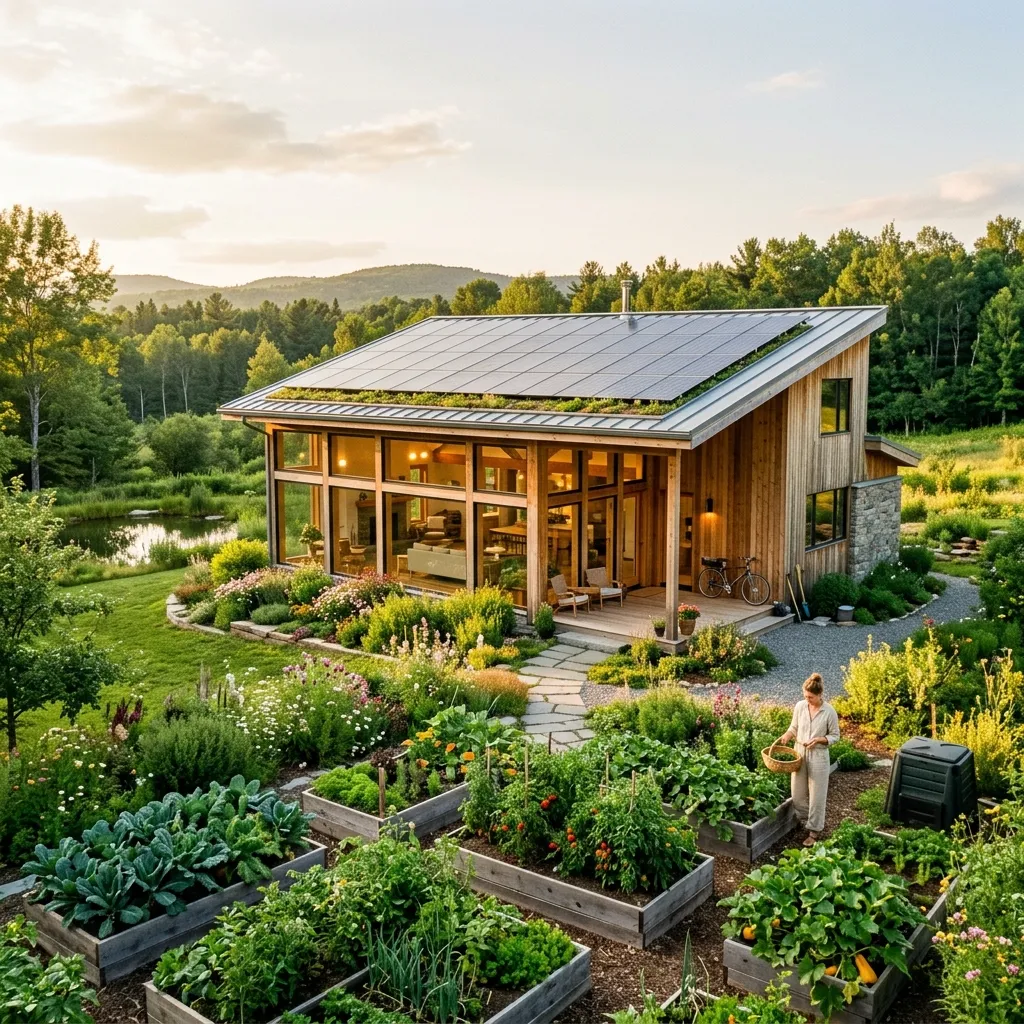
If you are embarking on the journey to build custom Eco-Friendly Luxury Villas, strategic planning is your greatest asset. Start with passive solar design. The orientation of the home on the plot of land dictates its energy efficiency before a single solar panel is installed. By facing the longest side of the house true south (in the Northern Hemisphere), you maximize natural light and passive solar heating during the winter, while roof overhangs provide crucial shade during the intense summer sun. This simple geographical alignment drastically reduces the mechanical heating and cooling requirements of Eco-Friendly Luxury Villas.
Focus intensely on indoor environmental quality. Eco-Friendly Luxury Villas should promote exceptional human health. Specify the use of zero-VOC (Volatile Organic Compounds) paints, sealants, and adhesives to prevent toxic chemicals from off-gassing into your living spaces. Incorporate whole-house mechanical ventilation systems with HEPA filtration and heat recovery. These systems constantly exchange stale indoor air with fresh outdoor air without losing thermal energy, ensuring that the atmosphere inside your Eco-Friendly Luxury Villas remains pristine and highly oxygenated.
Invest deeply in the building envelope before you invest in technology. The golden rule of Eco-Friendly Luxury Villas is “reduce before you produce.” Spend your budget on ultra-high-performance windows, extraordinary insulation, and meticulous air sealing to drop the home’s energy demand to the absolute minimum. Only after you have minimized the demand should you size your solar arrays and battery storage systems. This approach creates a significantly more resilient, efficient, and comfortable home.
Lastly, embrace a minimalist approach to space. While Eco-Friendly Luxury Villas are inherently opulent, opulence does not require vast, unused square footage. Design intelligent, multi-functional spaces that maximize utility and intimacy. A smaller, exquisitely crafted footprint allows for a higher budget allocation toward premium sustainable materials and advanced technologies, resulting in a superior living experience that genuinely respects the planet.
Conclusion
Investing in Eco-Friendly Luxury Villas is a profound statement of values, merging uncompromising elegance with vital planetary protection. By embracing advanced renewable energy, sustainable materials, and intelligent design, you secure a lucrative financial asset and a healthier lifestyle. Take the next step toward a sustainable future; consult with a certified green architect today to begin crafting a home that leaves a legacy of luxury and environmental stewardship.
FAQ
1. What exactly qualifies a property as an Eco-Friendly Luxury Villa?
A property qualifies as an Eco-Friendly Luxury Villa when it combines high-end amenities and premium design with measurable sustainable practices. This includes generating renewable energy, utilizing recycled or natural building materials, implementing strict water conservation systems, and maintaining exceptional indoor air quality, often verified by third-party green certifications like LEED.
2. Are Eco-Friendly Luxury Villas more expensive to build than traditional luxury homes?
Initially, construction costs can be slightly higher due to the integration of advanced technologies like solar arrays, geothermal pumps, and high-performance insulation. However, these upfront costs are quickly offset by massive reductions in utility bills, lower maintenance costs, and significant tax incentives, making them highly cost-effective over their lifespan.
3. How do Eco-Friendly Luxury Villas achieve a zero-carbon footprint?
They achieve a zero-carbon footprint by aggressively reducing energy demand through superior insulation and passive solar design, and then generating all required power on-site using renewable sources like solar or wind. Any excess energy is stored in batteries, ensuring the home operates completely independently of fossil fuels.
4. Can I retrofit an existing luxury home to become eco-friendly?
Yes, retrofitting is highly effective. You can upgrade to triple-glazed windows, increase roof and wall insulation, install solar panels and smart home automation, and switch to water-saving fixtures. While a complete deep-energy retrofit requires investment, it drastically improves the sustainability and market value of an existing estate.
5. What is the best sustainable building material for luxury homes?
There is no single “best” material, as it depends on the local climate. However, cross-laminated timber (CLT) and rammed earth are incredibly popular in Eco-Friendly Luxury Villas due to their structural strength, excellent thermal properties, and low embodied carbon. Reclaimed wood and bamboo are also highly favored for luxury interior finishes.
6. Do Eco-Friendly Luxury Villas require a lot of special maintenance?
While the home functions smoothly day-to-day, the specialized systems—such as battery storage banks, greywater recycling filters, and geothermal heat pumps—do require routine professional maintenance to ensure they operate at peak efficiency. However, smart home systems continuously monitor these components and alert you before major issues arise.
7. How do rainwater harvesting systems work in these estates?
Rainwater is collected from the expansive rooflines of the villa and channeled through gutters into a debris filter. The clean water then flows into large, buried cisterns. When the house requires water for irrigation, toilet flushing, or laundry, a pump sends the stored rainwater through secondary UV filters, safely replacing municipal water.
8. What is greenwashing in real estate, and how do I avoid it?
Greenwashing is when a property is marketed as sustainable using vague buzzwords (“eco,” “natural”) without actual performance data. To avoid it, demand concrete proof of energy efficiency, review utility history, and look for rigorous, independent certifications like LEED, BREEAM, or the Passive House standard before purchasing.
9. Why is indoor air quality better in Eco-Friendly Luxury Villas?
These homes prioritize human health by strictly avoiding materials that emit harmful volatile organic compounds (VOCs). Additionally, because the homes are airtight for energy efficiency, they use advanced Heat Recovery Ventilators (HRVs) that constantly filter and cycle fresh outdoor air indoors, removing allergens and pollutants.
10. Do Eco-Friendly Luxury Villas really have a higher resale value?
Yes, numerous real estate market studies show that certified sustainable homes sell faster and command a price premium over non-certified homes. High-net-worth buyers increasingly value energy independence, lower operational costs, and the prestige associated with environmentally responsible living, driving high demand for these properties.
Tags: Sustainability, Real estate, Green design, Architecture, Luxury living
