


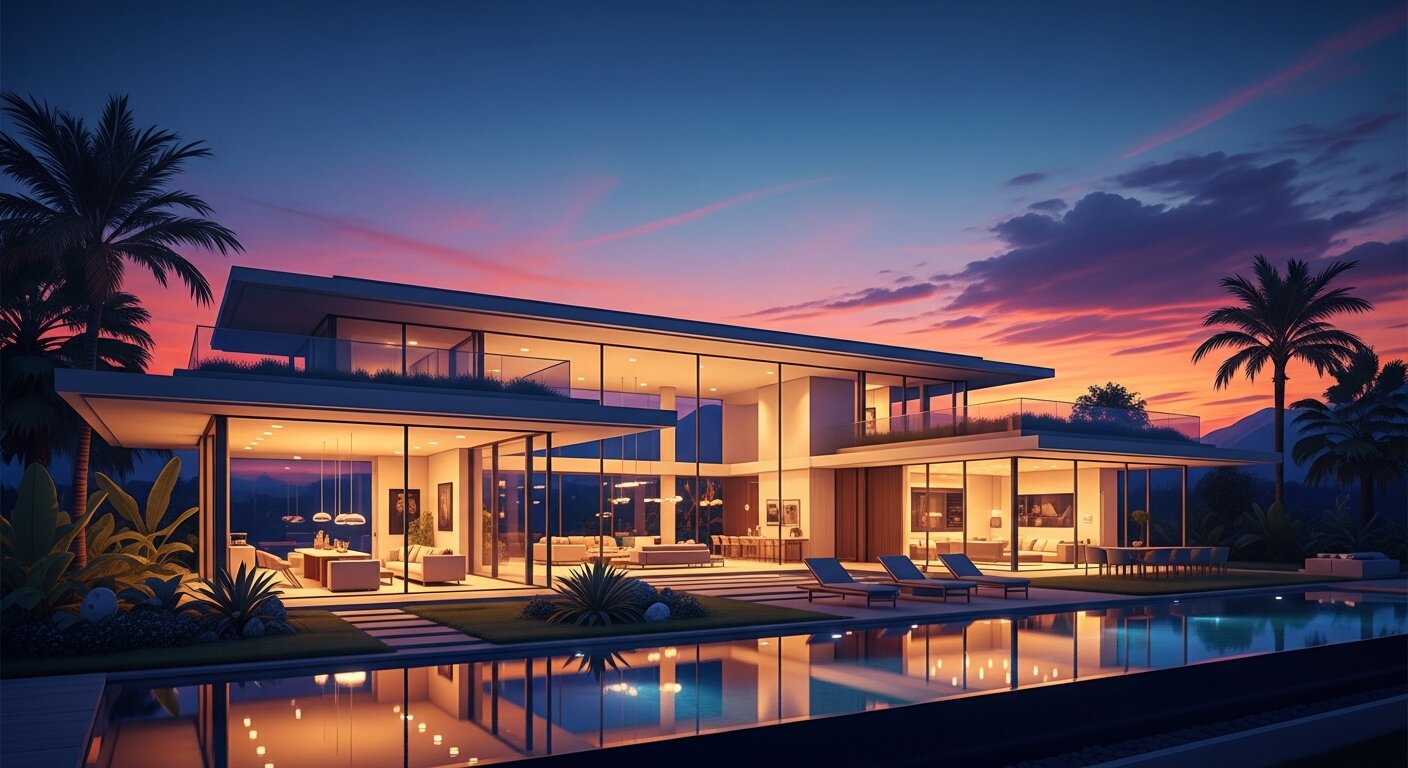
Building a villa that reflects your taste, comfort, and ambition is one of life’s most rewarding projects. Dream Luxury Villa Design blends architecture, lifestyle, and craftsmanship into one cohesive vision. This guide walks you through every decision, from floor plans to finishes, so your home feels both spectacular and deeply personal.
This guide gives you a complete roadmap for planning a high-end villa from concept to completion. You will learn how to shape flexible floor plans, choose enduring materials, integrate technology, control costs, and design rooms that truly serve your life. With practical frameworks, expert tips, and answers to common questions, you will move forward with confidence and clarity.
What Truly Defines a Dream Luxury Villa
A villa earns its “luxury” status through intention, not price tags. Every proportion, sightline, and material choice should feel deliberate. The best homes balance visual beauty with daily comfort, creating spaces that feel generous yet intimate. Strong villa design styles give a project its identity, while thoughtful planning keeps rooms connected through consistent tone and character.
Luxury also lives in the details. Clean transitions, resolved edges, and refined focal points separate an ordinary build from an extraordinary one. When the architecture, interiors, and landscape work as one, the result feels timeless rather than trendy. That harmony is the heart of exceptional luxury villa interior design, where nothing feels crowded and nothing feels empty.
The Pillars of an Elevated Home
Three qualities anchor every standout villa:
- Spatial generosity: Rooms breathe, ceilings rise, and natural light moves freely.
- Material honesty: Surfaces feel as good as they look, aging gracefully over decades.
- Personalization: The home tells your story through custom touches and curated finishes.
When these pillars align, you create a residence that performs beautifully and rewards you every single day.
Start With Vision and Future-Proof Planning
Before a single line is drawn, define how you want to live. Ask which daily routines you want to enhance, how many people the home must serve now, and how those needs may change. A clear vision keeps your budget focused and your decisions consistent. Smart planning today prevents costly regrets tomorrow.
Begin with a wish list, then split it into “must-haves” and “future upgrades.” This approach lets you invest in current priorities while reserving space and rough-in wiring for later additions. Studying the latest villa design trends here helps you separate enduring choices from passing fads, so your investment holds its value for years.
Reading Your Site Before You Build
Your land shapes everything. Conduct a site analysis to map sun patterns, prevailing winds, drainage, and the best views. This data guides window placement, room orientation, and villa landscaping ideas that feel native to the location. According to the National Association of Home Builders, custom homes often incorporate elements of the local landscape, whether that means an ocean view or desert plantings.
A well-read site rewards you with comfort, efficiency, and a home that appears to grow naturally from the earth rather than sit awkwardly on top of it.
Designing Floor Plans That Adapt and Flow
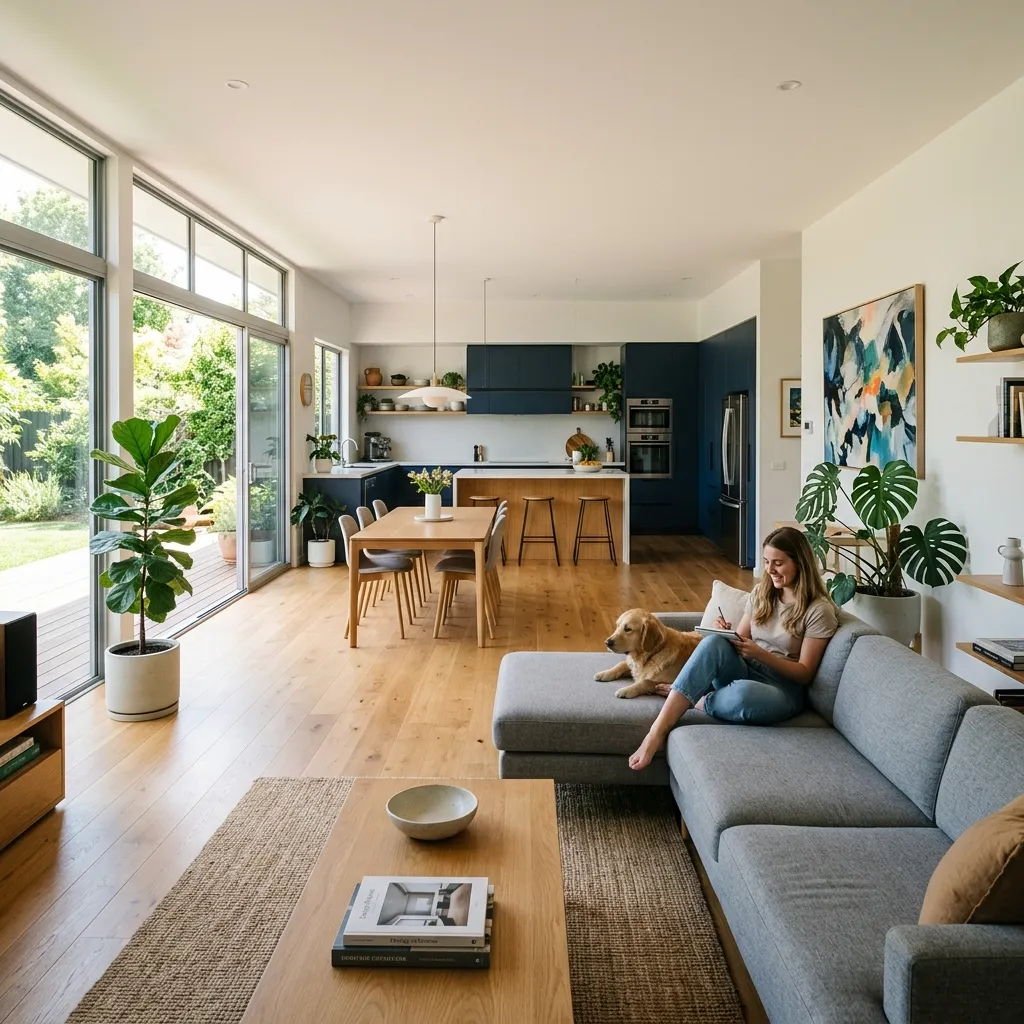
Great architecture starts with how spaces connect. Strong custom villa floor plans use clear circulation paths and logical zoning, allowing social areas to transition naturally into quieter, private zones. Open layouts extend sightlines and flood interiors with light, while subtle changes in ceiling height or flooring define distinct rooms without walls.
Flexibility is the mark of a future-ready home. Multi-purpose rooms, knock-out wall panels, and adaptable second-floor spaces let your villa evolve as life changes. The principles of high-end villa architecture demand that beauty and function move together, so every square foot earns its place. This foresight saves money and keeps your home relevant for decades.
Zoning for Privacy and Connection
Map your villa into three zones: public, private, and service. Public zones host guests and gatherings. Private zones protect rest and retreat. Service zones keep daily operations discreet. When these flow logically, the home feels intuitive and effortless to live in.
Mini-conclusion: A flexible, well-zoned layout is the structural backbone of every successful villa. Get this right, and every later decision becomes easier.
Room-by-Room Design Considerations
Each room deserves its own purpose, mood, and detailing while staying tied to a unified aesthetic. Designing room by room ensures comfort and cohesion across the entire home. This is where vision becomes lived experience, and where thoughtful choices pay off every morning and evening.
Master Suites and Private Retreats
Treat the master suite as a sanctuary. Outstanding master suite design separates this space from social areas, pairing a spacious bedroom with an ensuite bath and a generous dressing room. Layer in calming materials, soft lighting, and a private reading nook or sitting area. Thoughtful windows frame the best views and connect the suite to outdoor living spaces for quiet morning coffee or evening unwinding.
Gourmet Kitchens and Dining
The kitchen anchors modern villa life. Smart gourmet kitchen design prioritizes workflow, ample storage, and durable luxury surfaces, supporting both quiet meals and lively entertaining. Custom cabinetry, professional-grade appliances, and a generous island elevate both performance and beauty. Position adjacent dining areas with proportioned seating, feature lighting, and finishes that flow seamlessly from the kitchen.
Wellness and Entertainment Zones
Today’s villas double as private resorts. Dedicated wellness spaces in villas — spa baths, saunas, gyms, and yoga rooms — bring rejuvenation home. Pair these with entertainment zones featuring integrated audio-visual systems, sound control, and flexible seating. The most desirable resort-style villa amenities include infinity pools, outdoor kitchens, and shaded lounges that extend living far beyond the walls.
Choosing Premium Materials and Finishes
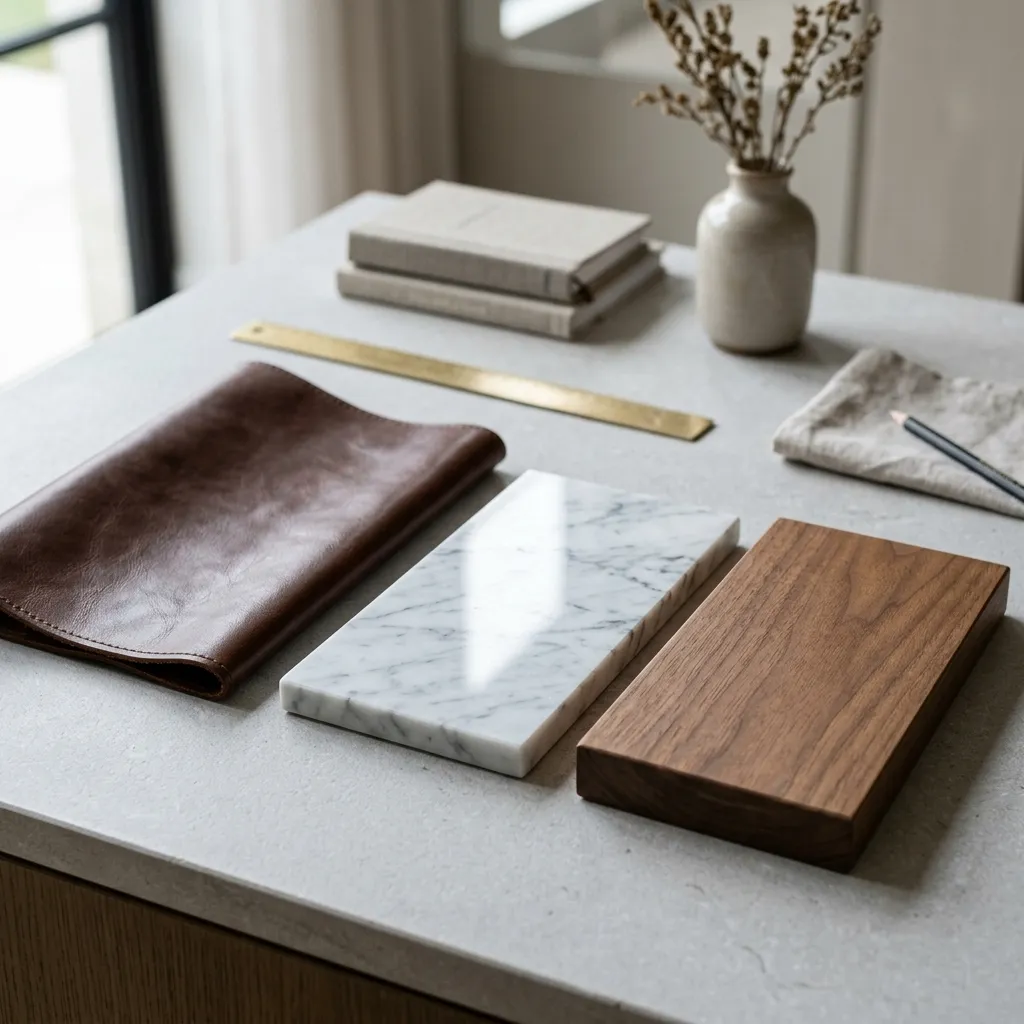
Materials define how a villa feels under your hand and over time. Selecting premium villa materials means balancing beauty, durability, and function. Natural stone, hardwood, polished metals, and engineered composites add depth, warmth, and permanence. Consistent detailing across floors, walls, and built elements creates visual continuity that ties every room together.
Invest where it matters most. Splurge on high-traffic, high-touch elements like flooring, countertops, cabinetry, and hardware, since these shape daily experience and longevity. Save on replaceable décor and low-traffic finishes. Quality materials resist wear, clean easily, and retain their character for years, protecting both your comfort and your investment.
A Practical Material Comparison
|
Element |
Premium Choice |
Why It Wins |
Smart Save Alternative |
|---|---|---|---|
|
Flooring |
Engineered hardwood / large-format porcelain |
Durable, timeless, humidity-stable |
Quality laminate in low-traffic rooms |
|
Countertops |
Bookmatched marble / quartz |
Stain-resistant, striking, lasting |
Honed granite |
|
Cabinetry |
Solid wood, dovetail joinery |
Decades of reliability |
Veneer over plywood |
|
Hardware |
Solid bronze / brushed nickel |
Tactile luxury, ages gracefully |
Quality stainless |
|
Wall finishes |
Venetian plaster |
Depth and bespoke character |
High-end textured paint |
Integrating Smart Technology and Sustainability
A modern villa is a connected, efficient home. Thoughtful smart home technology integration controls lighting, climate, security, and entertainment from a phone or voice command. Set scenes for movie nights or morning wake-ups, grant temporary access codes to guests, and monitor your home from anywhere. Discreet, minimalist installations keep technology powerful yet invisible.
Sustainability now defines responsible luxury. Strong sustainable villa design reduces operating costs while shrinking your footprint. The U.S. Department of Energy recommends a whole-house systems approach that treats the home as one connected energy system. You can also explore energy-efficient design products and services such as passive solar orientation, high-performance glazing, solar panels, and water-saving fixtures.
Where Efficiency Meets Elegance
- Climate: Zoned HVAC and learning thermostats keep every room comfortable.
- Power: Solar arrays with battery storage deliver resilience and savings.
- Water: Low-flow fixtures and rainwater harvesting cut waste without sacrificing comfort.
Green technology and refined design are no longer rivals — together they create a healthier, quieter, more durable home.
Budgeting and the Villa Construction Timeline
Smart budgeting keeps your dream grounded in reality. Understanding luxury home building costs early prevents painful surprises later. Custom luxury builds typically run between $200 and $600 per square foot, well above the $100 to $200 of a standard custom home. Location, materials, custom millwork, finishes, hardscaping, and contractor fees all influence the final figure.
Set your budget before talking to architects, then build a team that respects it. A realistic villa construction timeline generally spans 12 to 18 months, depending on size, materials, and customization. Coordinating your architect and builder from the start ensures your design stays both ambitious and affordable, protecting your vision and your wallet at once.
Typical Project Phases
|
Phase |
Approximate Duration |
|---|---|
|
Design and permits |
1–6 months |
|
Site preparation |
1–2 months |
|
Structural work |
3–6 months |
|
Interior systems |
2–4 months |
|
Finishes and fixtures |
2–4 months |
|
Exterior and landscaping |
1–3 months |
|
Final inspection and handover |
1–2 months |
Exploring Signature Villa Design Styles
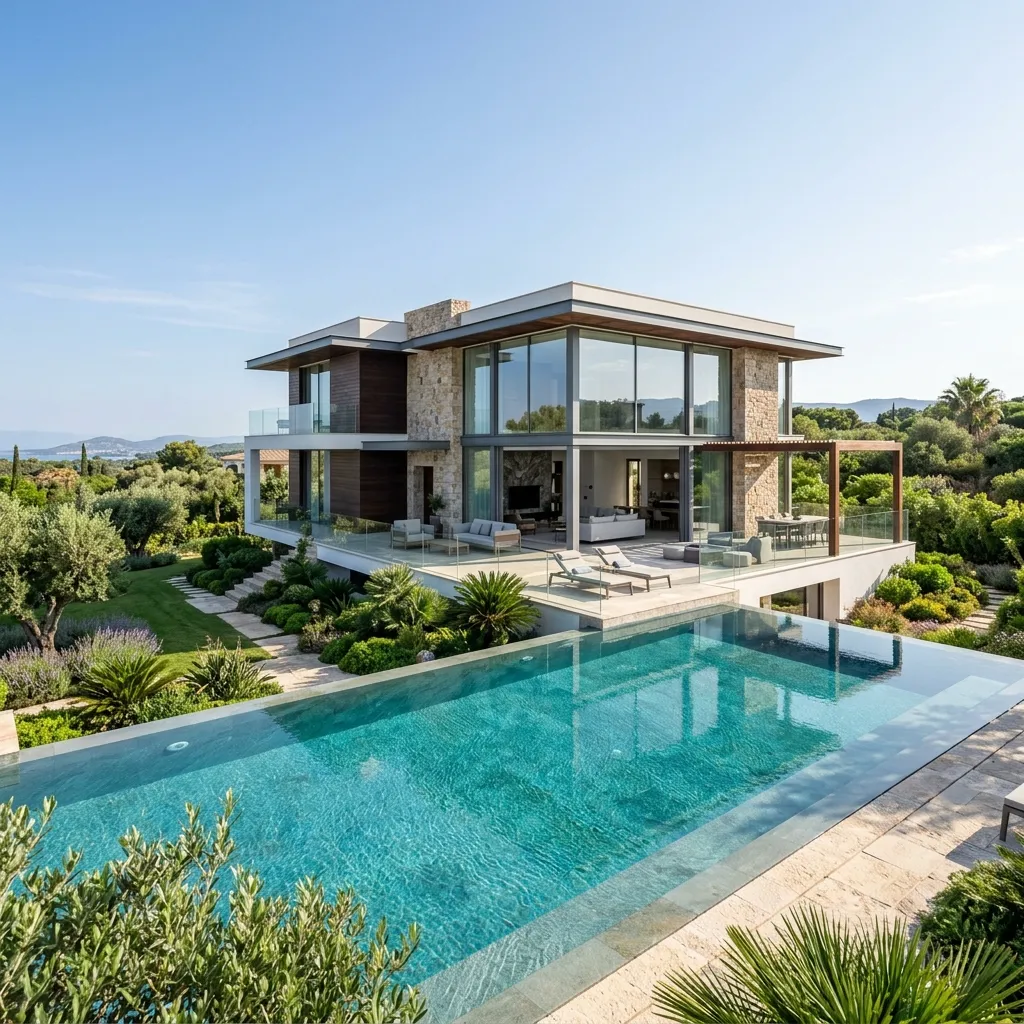
Style gives your villa its soul. Choosing a cohesive aesthetic early keeps every room linked while still allowing variation in mood. Your chosen style should reflect your personality, the architecture, and the surrounding landscape. Authenticity always outperforms imitation.
Modern Minimalist
Clean lines, neutral palettes, and uncluttered spaces create calm, balanced interiors. Natural materials like concrete, wood, and metal accents let architectural features shine, producing timeless sophistication that feels spacious and serene.
Classic European Elegance
Symmetry, moldings, columns, and coffered ceilings deliver structure and depth. Polished wood, marble, and rich textiles combine comfort with formality, celebrating tradition while remaining livable and graceful.
Mediterranean and Coastal
Arches, textured walls, and wooden beams highlight brightness and relaxation. These styles connect interiors seamlessly to outdoor living spaces, making them ideal for beachfront retreats that breathe with the breeze.
Rustic Contemporary Fusion
Exposed beams, textured stone, and earthy tones meet clean modern lines. This fusion balances natural warmth with refined minimalism, creating a tactile, welcoming, and distinctly personal interior.
Building Your Expert Team
Even the best vision needs skilled hands. Assemble an architect to translate ideas into structurally sound plans, an interior designer to refine materials and lighting, a structural engineer to guarantee safety, and a custom builder experienced in high-end homes. A landscape architect and home automation specialist complete the picture.
Early collaboration between architects and interior designers aligns structure, proportion, and spatial intent. This coordination prevents costly mistakes and delivers a unified result. Share your long-term goals, request 3D renderings, and schedule regular site visits. Open communication keeps your project on time, on budget, and true to your original vision.
Common Mistakes to Avoid
Even ambitious projects stumble on avoidable errors. Watch for these pitfalls:
- Skipping the site analysis: Ignoring sun, wind, and views leads to dark rooms and wasted potential.
- Chasing trends over timelessness: Trendy choices date quickly and hurt resale value.
- Underestimating the budget: Failing to plan for finishes, permits, and overruns derails projects.
- Designing rooms in isolation: Disconnected spaces break the cohesion that defines luxury.
- Treating technology as an afterthought: Retrofitting smart systems costs far more than planning them in.
- Neglecting storage: Clutter quietly undermines even the most beautiful interiors.
- Hiring teams that do not collaborate: Architects and builders working separately invites overruns and conflict.
Avoid these, and you protect both your investment and your peace of mind throughout the build.
Expert Insights and Pro Tips
Seasoned professionals share a few principles that consistently elevate results. Apply these to give your home a polished, considered feel that casual builders miss.
- Lead with light. Orient main living spaces toward the best natural light and views before finalizing the layout.
- Layer your lighting. Combine ambient, task, and accent lighting for flexibility and atmosphere in every room.
- Plan rough-ins for the future. Pre-wire and pre-plumb for upgrades you may add years later, saving major renovation costs.
- Invest in transitions. Seamless indoor-outdoor flow with large glass doors makes a villa feel twice as expansive.
- Choose fewer, better materials. A restrained, high-quality palette reads as more luxurious than a crowded mix.
- Protect sightlines. Conceal storage and clutter to keep clean, intentional views from every angle.
These small disciplines compound into a home that feels effortless, refined, and genuinely yours.
Conclusion
Dream Luxury Villa Design rewards those who plan with intention, invest in quality, and assemble the right team. From flexible floor plans and premium materials to smart technology and timeless style, every choice shapes a home that delights for decades. Ready to begin your journey? Connect with experienced architects and builders, and turn your vision into a residence worth coming home to.
Frequently Asked Questions
1. How much does it cost to design and build a luxury villa?
Luxury villa costs typically range from $200 to $600 per square foot, compared to $100 to $200 for a standard custom home. A 3,000-square-foot villa could cost between $600,000 and $1.8 million. Location, materials, custom millwork, finishes, and contractor fees all influence the final price.
2. How long does it take to build a luxury villa?
Most luxury villas take 12 to 18 months from design to move-in. This includes one to six months for design and permits, several months for structural work and interior systems, and a final phase for finishes, landscaping, and inspections. Size and customization extend the timeline.
3. What are the best materials for a high-end villa?
Premium villas favor natural stone, hardwood, marble or quartz countertops, solid wood cabinetry, and bronze or brushed-nickel hardware. These materials offer durability, tactile richness, and timeless elegance. Invest in high-touch, high-traffic areas first, since these elements shape both daily comfort and long-term value.
4. Can luxury villa design be eco-friendly?
Yes. Sustainable luxury combines durable materials, energy-efficient systems, and smart automation. A whole-house systems approach, passive solar orientation, solar panels, high-performance glazing, and water-saving fixtures reduce costs and environmental impact. Green building now signals responsible luxury rather than compromise, delivering comfort and efficiency together.
5. What is the best design style for a beachfront villa?
Mediterranean and coastal styles suit beachfront villas best. They emphasize natural light, relaxed elegance, and seamless indoor-outdoor flow. Arches, textured walls, sun-washed tones, and durable materials create breezy, luxurious interiors that blend naturally with the shoreline and stand up to coastal conditions.
6. How do I plan a flexible villa floor plan?
Start with clear zoning for public, private, and service areas. Use multi-purpose rooms, open layouts with defined zones, and knock-out wall panels for future changes. Plan rough-in plumbing and wiring for later additions. Flexible plans adapt as your family grows, work habits shift, or needs evolve.
7. What smart home features should a luxury villa include?
Prioritize automated climate control, intelligent layered lighting, advanced security with cameras and smart locks, whole-house audio and video, and unified voice or app control. Discreet installations keep technology powerful yet invisible. Planning these systems during design saves significant cost compared to retrofitting later.
8. How do I choose the right villa design team?
Hire an architect, interior designer, structural engineer, and an experienced luxury builder, plus a landscape architect and automation specialist. Choose professionals who collaborate from the start and respect your budget. Review portfolios, request 3D renderings, and prioritize clear communication and proven high-end experience.
9. Which villa features add the most long-term value?
Premium materials, custom cabinetry, a gourmet kitchen, a refined master suite, energy-efficient systems, and resort-style outdoor living spaces add lasting value. Timeless architectural details and quality finishes outperform trendy choices, protecting resale appeal while enhancing your daily living experience.
10. What are the most common villa design mistakes?
The biggest mistakes include skipping site analysis, chasing trends over timelessness, underestimating the budget, designing rooms in isolation, treating technology as an afterthought, neglecting storage, and hiring teams that fail to collaborate. Avoiding these protects your investment and ensures a cohesive, comfortable home.
Tags: Luxury villa design, Home architecture, Interior design, Sustainable building, Custom homes
